Skip to content
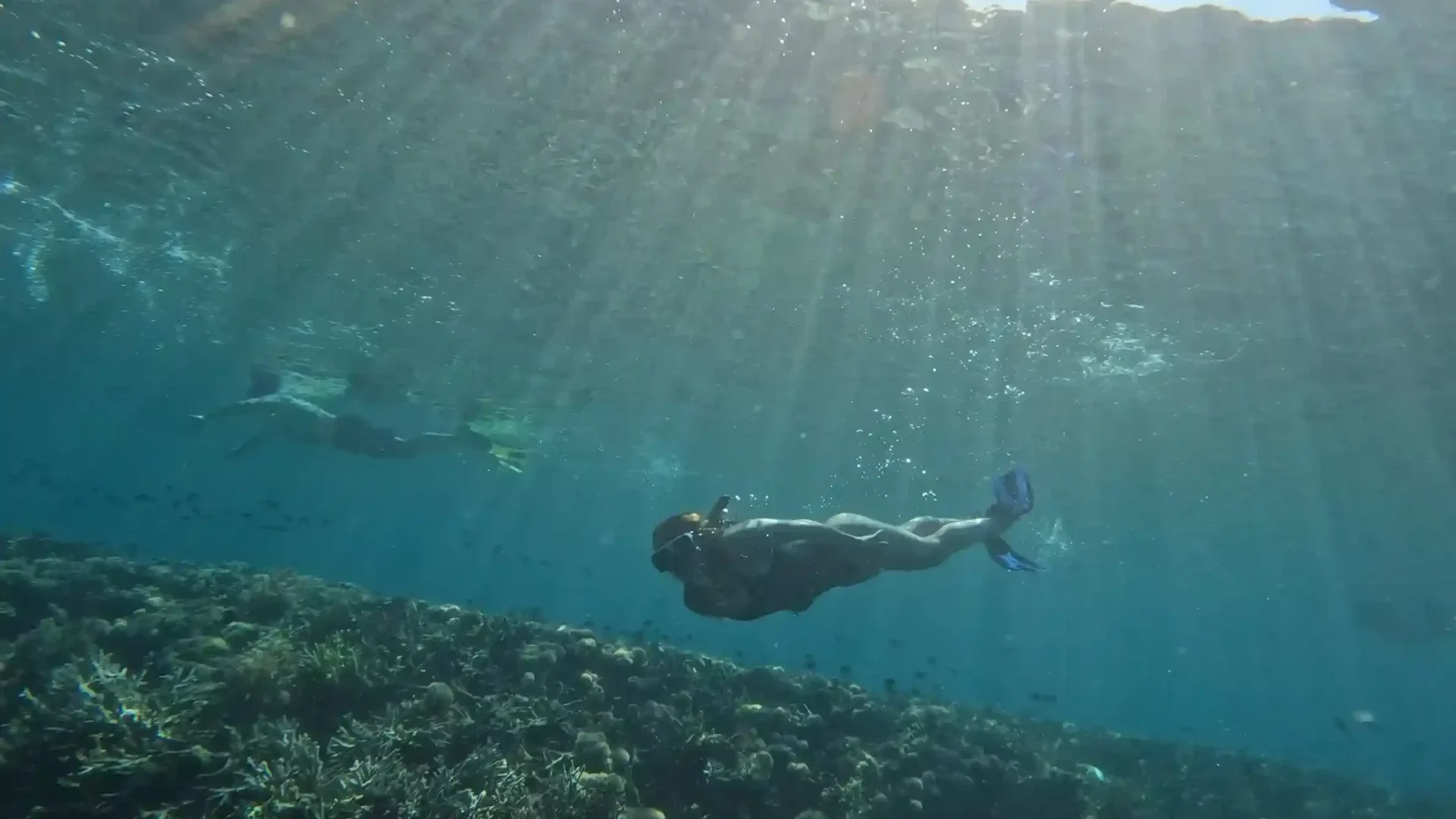
Hard coral and reef fish in the shallows of Raja Ampat

Reef sites

The Reefs, One at a Time

The sites most snorkeling days are built around, what you can expect at each, and how much water confidence each one asks for. Conditions shift with tide and season, so treat these as guidance rather than guarantees.

Build an Itinerary

In short

Most Raja Ampat snorkeling days are built around five reefs in the Dampier Strait: Manta Sandy, Arborek Jetty, Friwen Wall, the Yenbuba and Mansuar gardens, and the Kri area.

  • Three to five of them fit in one day
  • All within roughly 30 to 90 minutes of Waisai
  • Most are beginner-friendly on the right tide
  • The tide, not the schedule, decides the order

The sites

Which reefs belong on your day?

Skill level is about water confidence and current, not fitness. Depths and conditions shift with tide and season.

Beginner

Manta Sandy

Mantas

cleaning station

A sandy patch where reef mantas queue to be cleaned by small fish. On a good day you watch several glide through from the surface. Access is regulated — you wait behind a designated line, and approaching or chasing is not allowed.
Beginner

Arborek Jetty

Schooling fish

shallow, sheltered

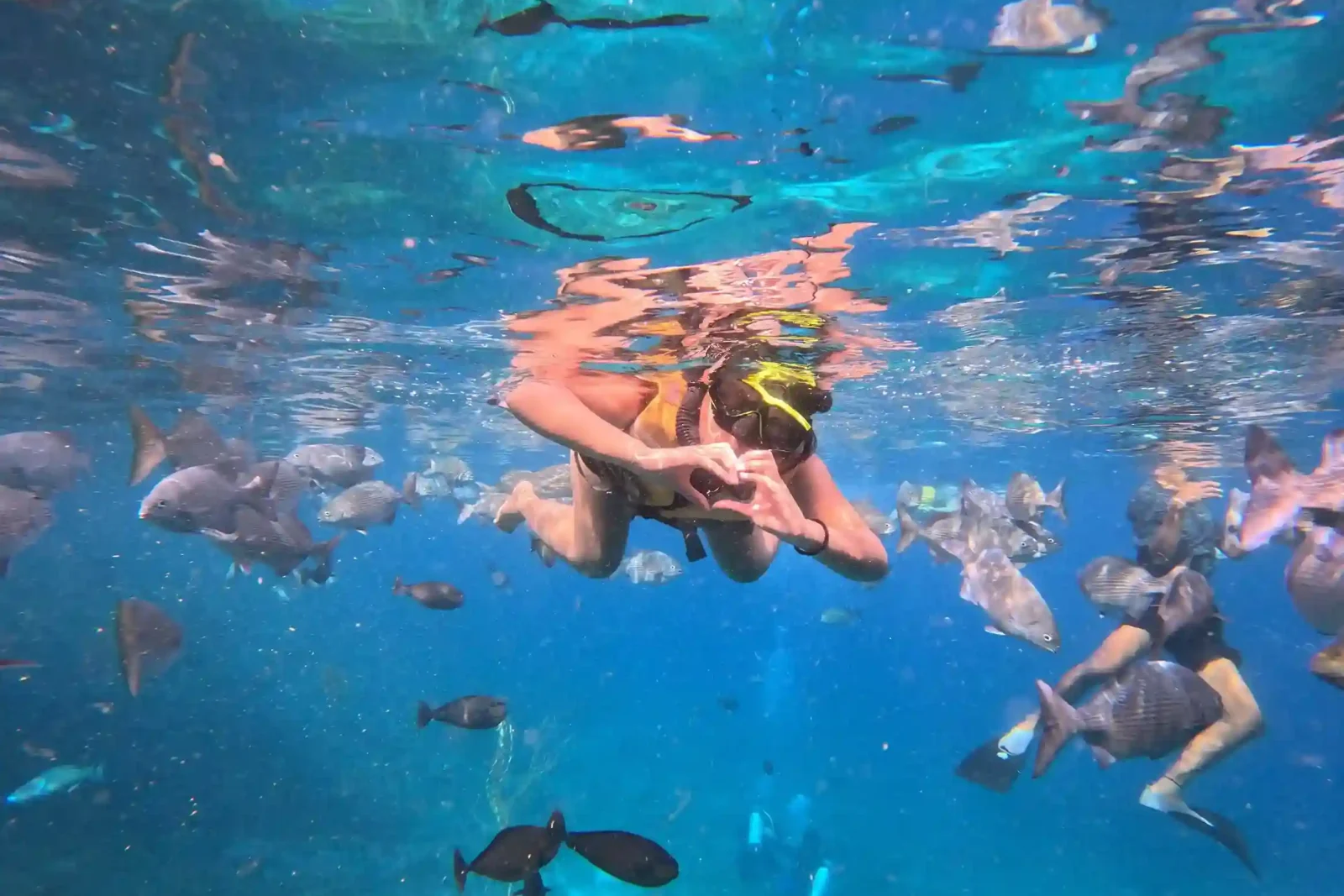
Soft coral on the pylons, dense schools, and mantas passing through often. The gentle crowd-pleaser — you can see a lot just hanging near the pier.

Beginner+

Friwen Wall

Coral wall

drops from the surface

Also called Friwen Bonda. A vertical face packed with dense soft coral and reef fish. The wall starts shallow, so you drift along the top of it. Mild current is possible.

Beginner

Yenbuba & Mansuar

Coral gardens

turtles, sometimes sharks

A popular drift snorkel on the right tide, over gardens with turtles and the occasional shark below.

Intermediate

Kri & Sorido

Fish density

blue-water schools

The highest fish counts in the area and big blue-water schools. Current makes this one for calmer tide windows and confident swimmers.

Cape Kri, Mioskon and Sardine Reef sit in the same stretch of the Dampier Strait and get added when conditions suit. Your skipper decides the order on the morning, from the tide.

In the water

What you are likely to see

Likely, not promised. Everything here is wild and moves on its own schedule — we will never tell you a sighting is guaranteed.

Reef mantas

At the cleaning stations, most reliably around December to April. From the surface, behind the line.

Turtles

Over the Yenbuba and Mansuar coral gardens, usually grazing and unbothered.

Soft coral

Dense on the Friwen wall and the Arborek pylons, starting within a metre or two of the surface.

Blue-water schools

Off Kri, where the current concentrates fish into the kind of density the region is known for.

Snorkeler over a shallow reef in the Dampier Strait, Raja Ampat

The tide picks the order

None of these sites is fixed to a time of day. The same reef can be a calm aquarium at 9am and a washing machine by 11, because the water here moves on the tides and that movement is what feeds the coral in the first place.

So the running order is set on the morning, by the skipper, from the tide table and what the sea is actually doing. A day that promises five named sites in a fixed sequence is promising something the water does not agree to.

October to April generally brings the calmest conditions and the clearest water. June to September can bring stronger wind on the exposed crossings, and some stops get swapped for sheltered ones.

Tell us which reefs matter to you

If mantas are the reason you are coming, say so — the season and the tide window matter more than the itinerary. We will tell you honestly whether your dates line up.