
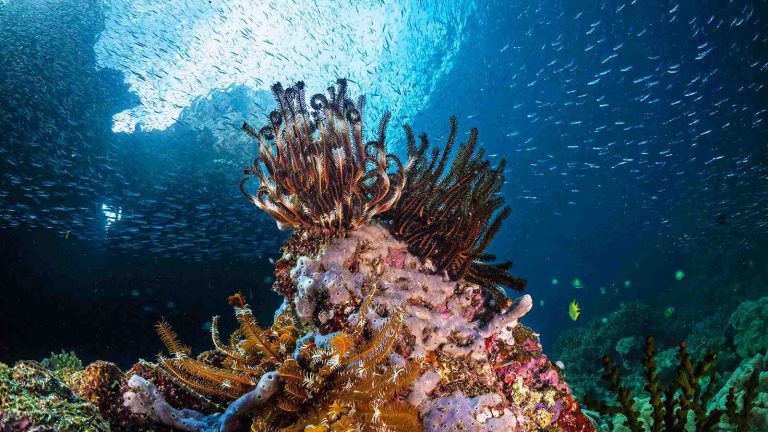
Exploring Raja Ampat’s Exceptional Marine Biodiversity
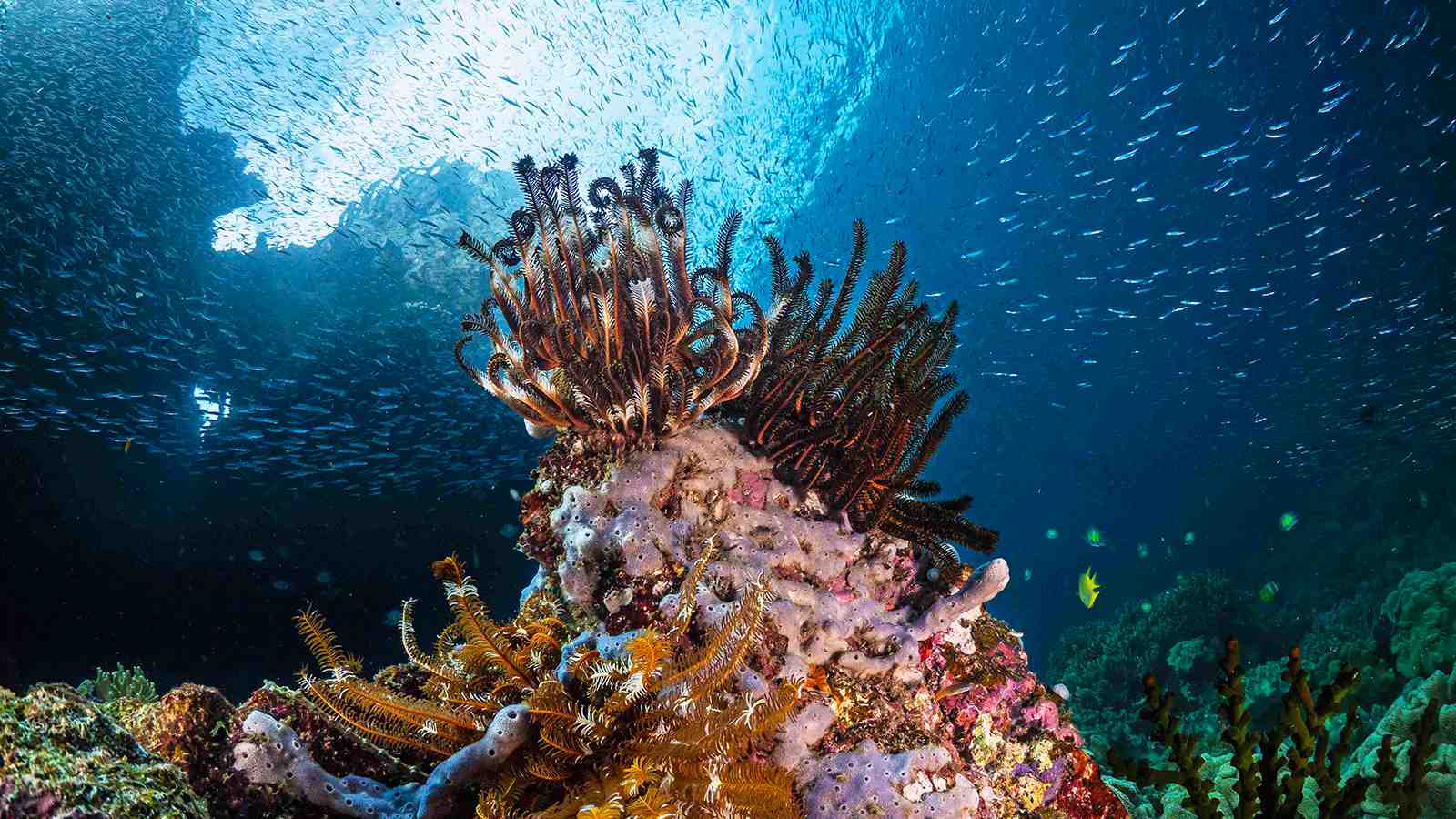
Raja Ampat is globally recognised as the epicentre of marine biodiversity, a region where over 75% of all known coral species thrive alongside an astonishing array of fish, mollusc, and marine mammal life. This guide details the specific biodiversity, protected status, and unique ecological characteristics that make the area a premier destination for marine exploration.
The Marine Heart of the Coral Triangle
Raja Ampat, situated within the Coral Triangle, represents the Earth’s most biodiverse marine region. Its waters host a staggering concentration of life, a direct result of its unique geological history and sustained conservation efforts. The area’s complex network of islands and shallow seas provides an ideal environment for speciation and the flourishing of diverse ecosystems, making every boat tour an encounter with an extraordinarily rich natural world.
Coral Species: The Foundation of Life
The health of Raja Ampat’s coral reefs is fundamental to its marine biodiversity. Our expeditions navigate waters home to an incredible 550–600 coral species, including over 500 reef-building corals per eco-region. This figure accounts for approximately 75% of all known coral species globally. The reefs here are predominantly in good to excellent condition, with 60% of them thriving, offering divers and snorkelers a vibrant spectacle of colour and form. These healthy coral ecosystems are critical nurseries and feeding grounds for thousands of other marine creatures.
An Abundance of Reef Fish
The sheer number of reef fish species in Raja Ampat is truly astounding. We observe between 1,320 and 1,800 species across the region, with the Dampier Strait alone recording 1,427 species. This diversity translates into a dynamic underwater landscape, where schools of colourful fish drift amongst the corals and larger pelagic species patrol the blue. From pygmy seahorses camouflaged on gorgonian fans to large groupers lurking in reef crevices, the variety is endless. Our tours are designed to showcase these incredible marine communities, providing ample opportunities for observation and photography.
Mega-Fauna Encounters and Marine Mammals
Beyond the reefs, Raja Ampat’s waters are frequented by significant marine mega-fauna. We frequently encounter five species of sea turtles, including the endangered hawksbill turtle. The area is also a crucial habitat for 17 species of marine mammals, such as sperm whales, orcas, dugongs, and various dolphin species. Manta rays and whale sharks are also common sightings, particularly in specific feeding grounds. These encounters provide unforgettable moments and highlight the scale of biodiversity protected within this region.
Endemic and Unique Species
Raja Ampat is not just about numbers; it is also home to several species found nowhere else on Earth. Our guests often have the chance to spot the distinctive Wobbegong Shark and the fascinating Epaulette Shark, known for its ability to ‘walk’ on its fins. Other unique inhabitants include the elusive Pygmy Seahorse, the vibrant Mantis Shrimp, and the delicate Ghost Pipefish. These endemic species underscore the evolutionary significance and unique ecological conditions of the region.
- Wobbegong Shark
- Epaulette Shark
- Pygmy Seahorse
- Mantis Shrimp
- Ghost Pipefish
Protected Areas and Conservation Efforts
The extensive marine biodiversity of Raja Ampat is safeguarded by robust conservation measures. The region includes 10 Marine Protected Areas (MPAs) covering approximately 35,000 km², which protect around 45% of its coral reefs and mangroves. These MPAs are vital for maintaining the health of the ecosystem and ensuring the long-term survival of its species. The Birds Head Seascape, a significant conservation initiative, further protects 4.5 million hectares of this critical marine environment. Our boat tours operate in harmony with these conservation efforts, promoting responsible tourism and respect for the marine environment.
| Category | Number of Species |
|---|---|
| Coral Species | 550–600 |
| Reef Fish Species | 1,320–1,800 |
| Mollusks | 700 |
| Marine Mammals | 17 |
| Sea Turtles | 5 |
A 2027 note: The ongoing commitment to conservation in Raja Ampat continues to yield positive results, with continuous monitoring and community involvement strengthening the protective measures across the UNESCO Biosphere Reserve. The designation in 2025 has further solidified international recognition and support for this invaluable ecosystem.
Diving and Snorkelling Conditions
Raja Ampat is consistently ranked as a top diving destination globally, offering exceptional conditions for underwater exploration. The water temperature typically ranges between 27–30°C (80–86°F), making for comfortable diving and snorkelling. Visibility is often superb, extending from 15–30 meters (50–100 feet), allowing for clear views of the intricate marine life. Our tours cater to all levels of experience, ensuring everyone can safely and enjoyably discover the underwater wonders of Raja Ampat.
Global Significance and Ancient History
The global significance of Raja Ampat cannot be overstated. It is the heart of the Coral Triangle, holding the highest marine diversity recorded on Earth. Its ecosystem has a history spanning 30 million years, with the geology of the region settling approximately 25 million years ago. This long evolutionary timeline has allowed for the development of its unique and extraordinarily rich biodiversity. Visiting Raja Ampat is not merely a holiday; it is an immersion into one of the planet’s most ancient and vibrant natural wonders.
FAQ
What makes Raja Ampat’s marine biodiversity so special?
Raja Ampat is special due to its location at the epicentre of the Coral Triangle, hosting over 75% of the world’s known coral species, an astonishing number of reef fish, and a high concentration of marine mammals and endemic species within a relatively untouched and well-protected environment.
What marine animals can I expect to see on a boat tour?
On a boat tour, you can expect to see a vast array of marine life including diverse coral species, hundreds of reef fish species, sea turtles, manta rays, and with some luck, whale sharks, dolphins, and even certain whale species. Endemic creatures like the Wobbegong Shark are also a possibility.
How does Raja Ampat protect its unique marine environment?
Raja Ampat protects its marine environment through a network of 10 Marine Protected Areas (MPAs) covering approximately 35,000 km², along with its designation as a UNESCO Biosphere Reserve. These efforts are supported by local communities and international conservation initiatives, ensuring strict regulations on fishing and tourism.
Keep Reading

Travel Journal
AI Tools for Bali Corporate Retreat Planning 2027: A Strategic Approach
AI tools for Bali corporate retreat planning in 2027 offer significant advantages by automating research, personalising itineraries, optimising budgets, and…

Travel Journal
Raja Ampat Cruise 2027: Exploring Archipelagic Wonders and Itineraries
For a Raja Ampat cruise in 2027, expect an immersive exploration of pristine marine ecosystems and diverse islands. Itineraries frequently…

Travel Journal
Top Bali Corporate Wellness Retreats for Burnout Recovery in 2027
For 2027, the premier Bali corporate wellness retreats targeting employee burnout integrate luxury wellness with strategic objectives. Key options include…